People are individuals
A diagnosis cannot describe someone’s entire personality, character, intelligence, relationships, history, or future.
See the person—not just the diagnosis.
People with bipolar disorder are individuals. We do not all think, feel, or behave the same way.
Why this project exists
Bipolar, Fully Human challenges the belief that a psychiatric diagnosis can tell you whether someone is dangerous, intelligent, trustworthy, loving, capable, or worthy.
This project combines lived experiences with reliable medical research and statistical evidence. It speaks to people who want to understand bipolar disorder—and to people with bipolar disorder who are tired of being treated like a stereotype.
What we believe
A diagnosis cannot describe someone’s entire personality, character, intelligence, relationships, history, or future.
Statistics should be explained honestly, including who was studied, what was measured, and what the research cannot prove.
Asking questions, reporting side effects, or requesting alternatives is participation in medical care—not an automatic refusal of help.
People with bipolar disorder experience ordinary anger, grief, excitement, fear, frustration, and joy. A strong feeling is not automatically an episode.
Start with the evidence
Every article separates verified research, careful interpretation, and personal experience.
Violence and dangerousness
What population research actually shows—and why a diagnosis alone cannot predict whether an individual is dangerous.
Read the researchEmotions and episodes
Anger, grief, excitement, frustration, and fear are not automatically evidence of mania or depression.
Understand the differenceAccess to treatment
Insurance, provider shortages, cost, waiting lists, and poor transitions can leave someone without care.
Learn about the barriers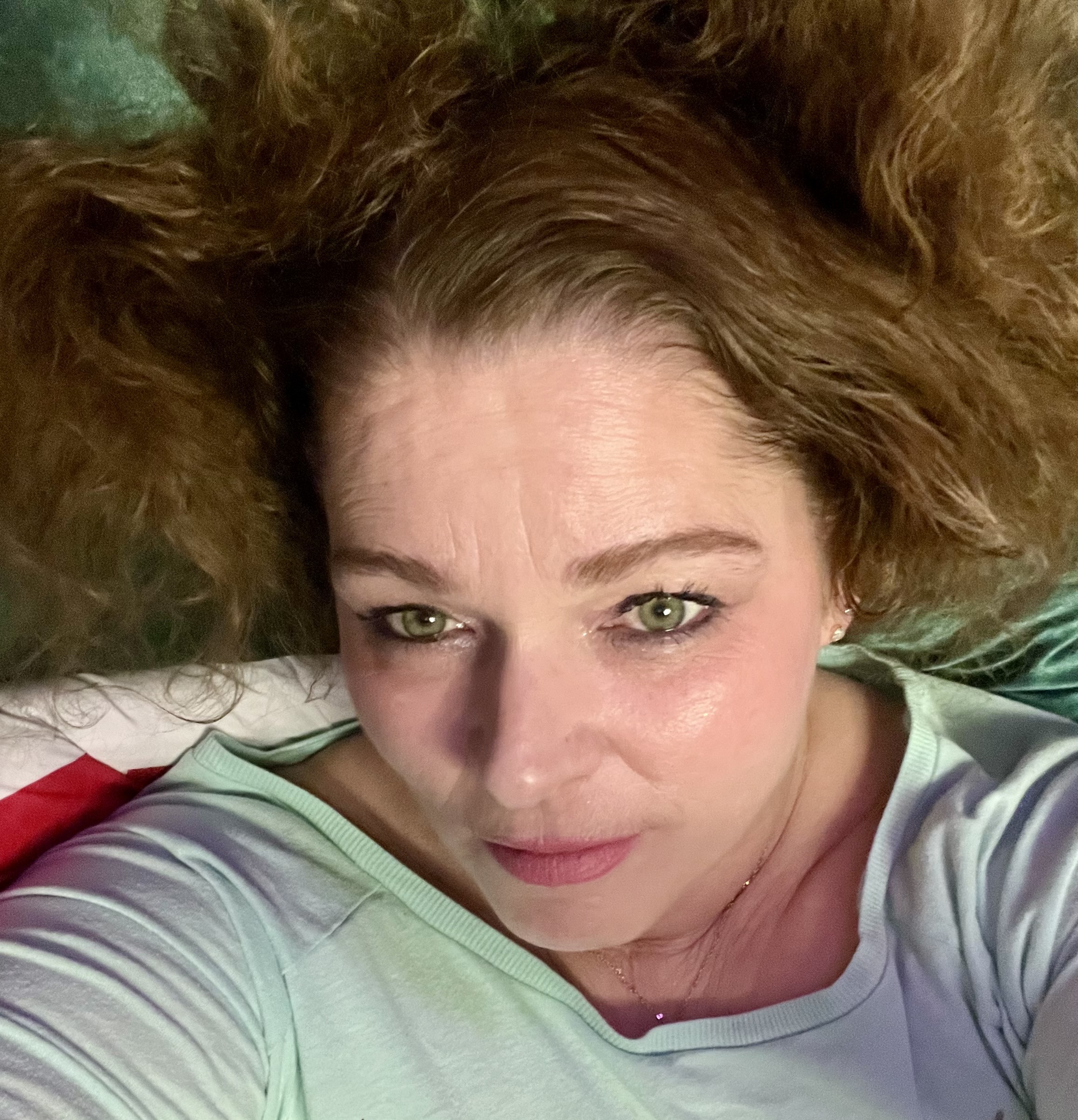
Meet the founder
I was diagnosed with bipolar disorder in my early twenties. I have lived through overmedication, addiction, rehabilitation, eating disorders, hospitalization, abuse, loss, treatment barriers, and being dismissed because of my diagnosis.
I am also a mother, wife, creator, researcher, advocate, and human being. My diagnosis is part of my life, but it does not tell you everything about me.
I created Bipolar, Fully Human to bring lived experience and reliable research together—challenging stigma, correcting misinformation, and reminding people that a diagnosis never tells the whole story
Read more about meBefore you leave
If something here challenges what you thought you knew about bipolar disorder, share it with someone else.